Spring has Sprung-Now It’s time for Summer
By John Langcuster-The Rise Podcast by Fishing TV
Spring fly fishing has been exceptional this year as we begin moving into the summer months. Reports from around the globe suggest hatches arrived early, but they were also incredibly productive.
There are a few things I wanted to share, along with some illustrations throughout this article, that reflect lessons I’ve picked up from fellow anglers over the years. The lessons I still use every time I step into the water.
I have been fortunate to connect with many anglers throughout my life, and I’ve come to rely on three principles as my compass before making a cast.
Observation Comes First
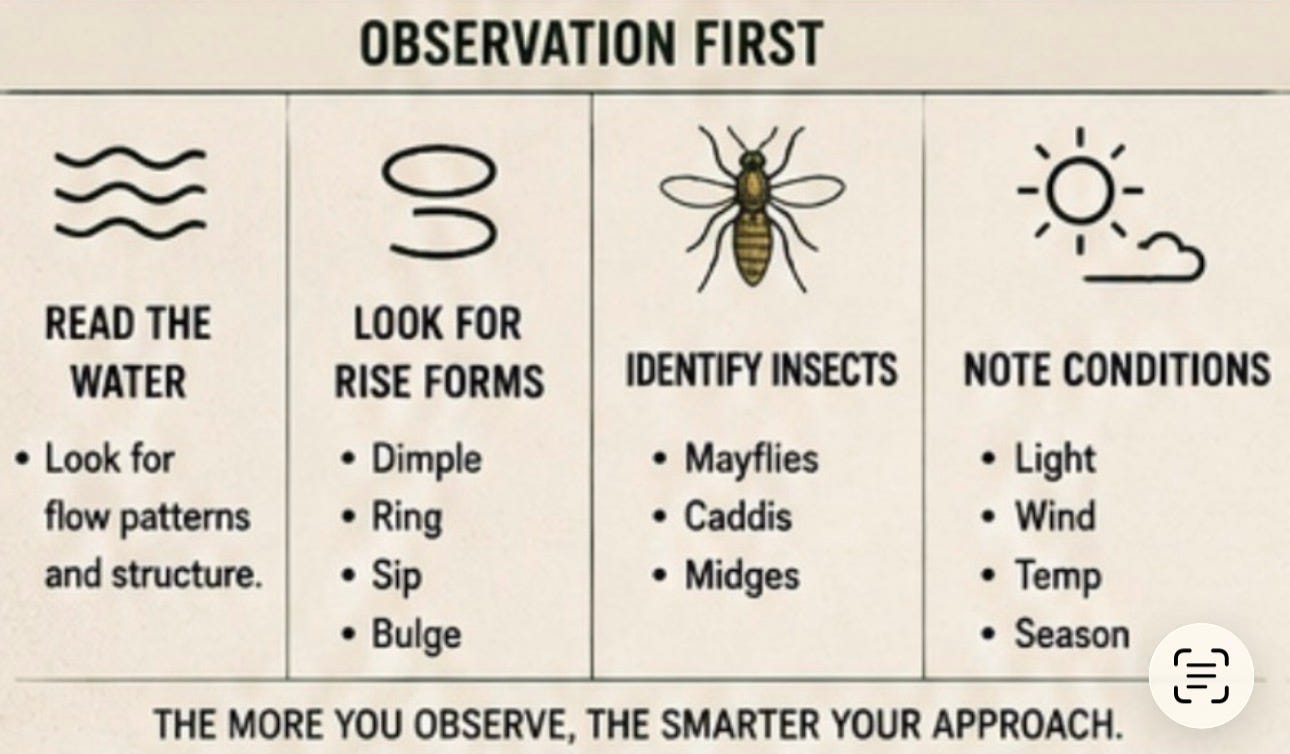
What are the fish doing? How are they reacting and behaving? Are they under shade or holding in runs? What role is the weather conditions factoring into the equation? Before the first cast is ever made, those are the questions I want answered through observation.
Second Is Imitation
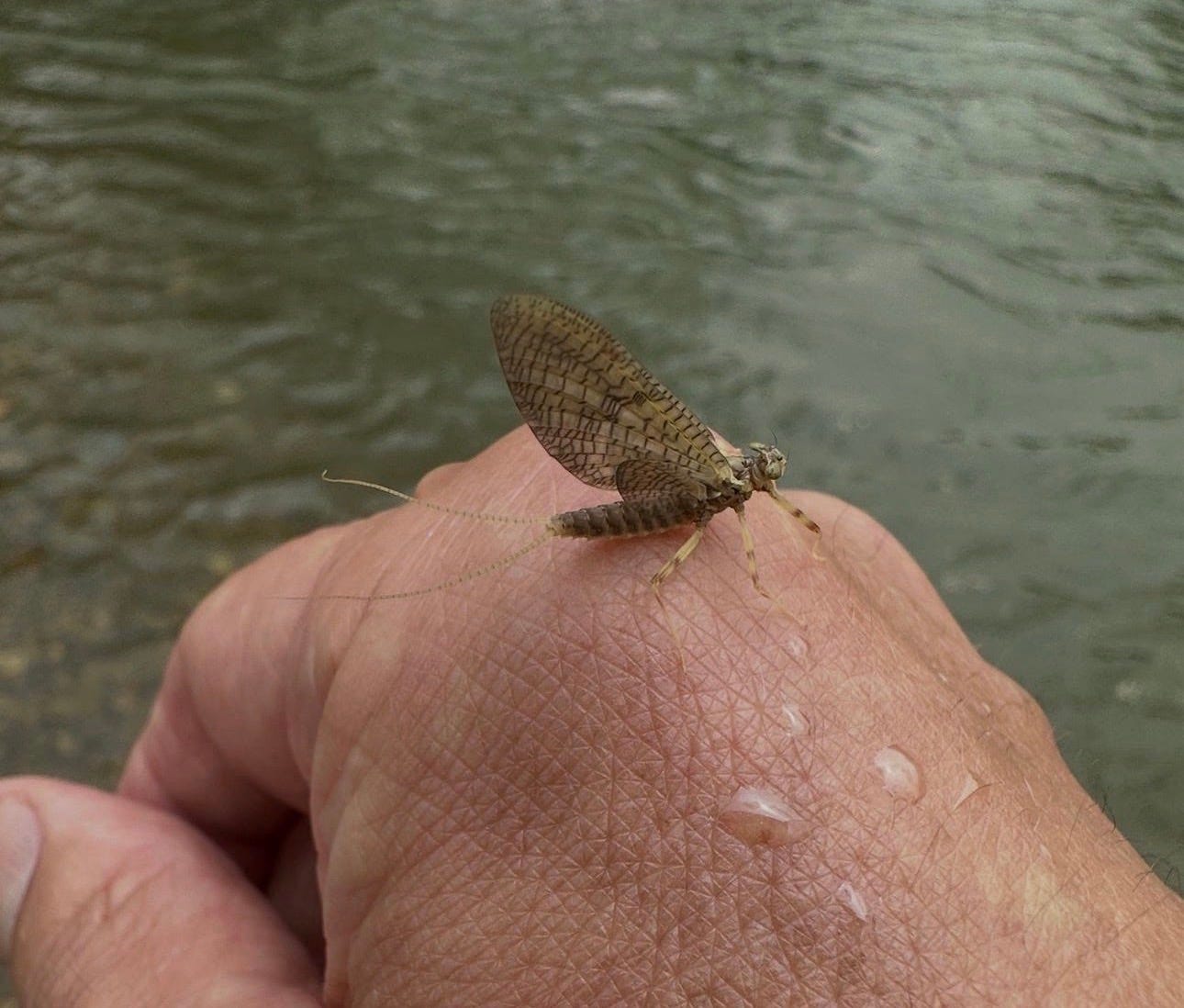
What are the fish eating? What would trigger a reaction to take an artificial fly on top or sub surface?
The more closely we pay attention to what is naturally happening around us, the better our chances of fooling a trout.
And Finally, Process
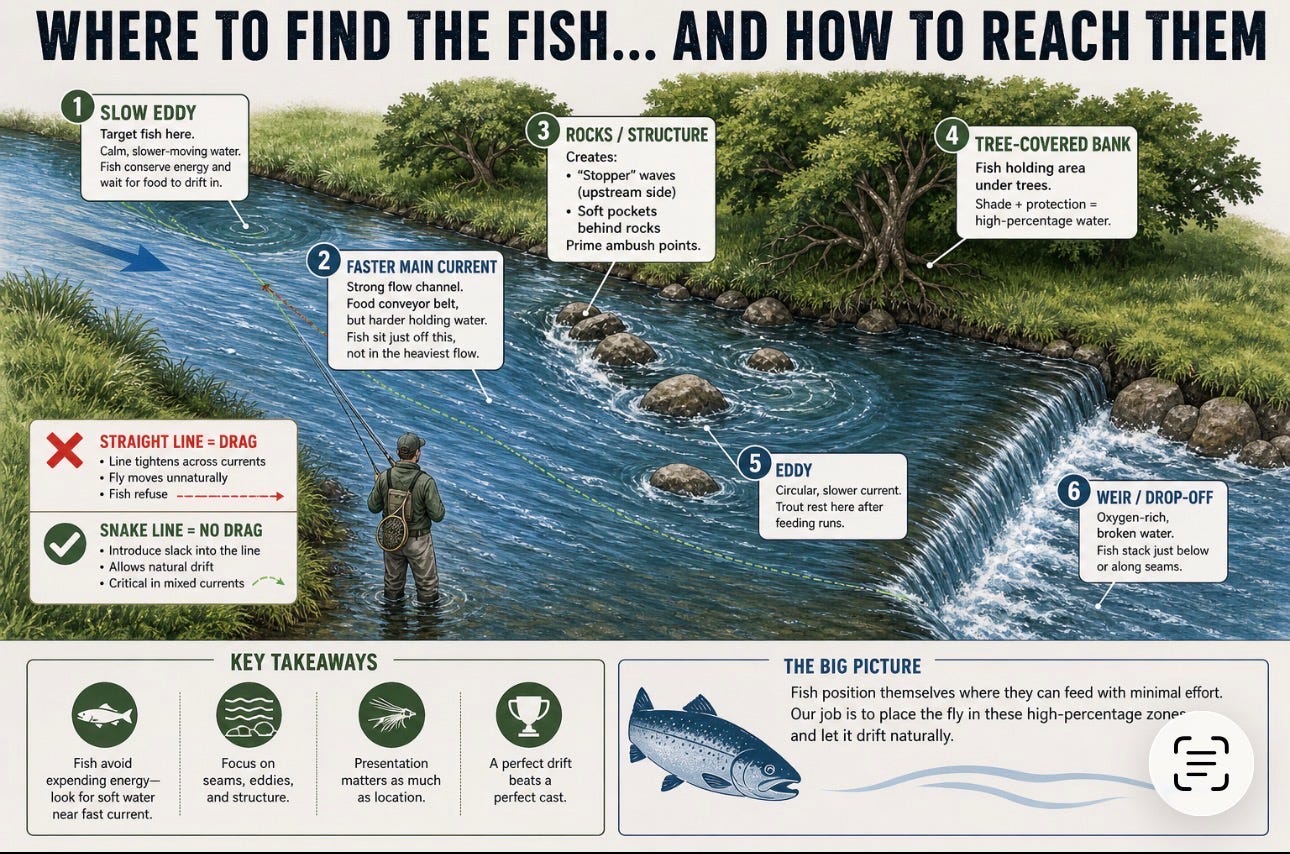
One of the things I love most, figuring out how to break “the code” of a new stream. Doing my best to figure out the entire sequence before it happens. The fly, approach and how to successfully land the trout.
For example, once I hook a fish, where do I fight it? How do I move it? Where can I safely land it and successfully release it?
Those details matter, especially on narrow water where one mistake can cost you the fish. As you well know, we remember the ones that got away; they haunt you.
This past spring was incredibly productive for me. In one day alone, I landed two remarkable brown trout, one measuring 32 inches and weighing around 12 pounds, and another measuring 27.5 inches at roughly 8 pounds.
Both fish were the direct result of the three things: observation, imitation, and process.
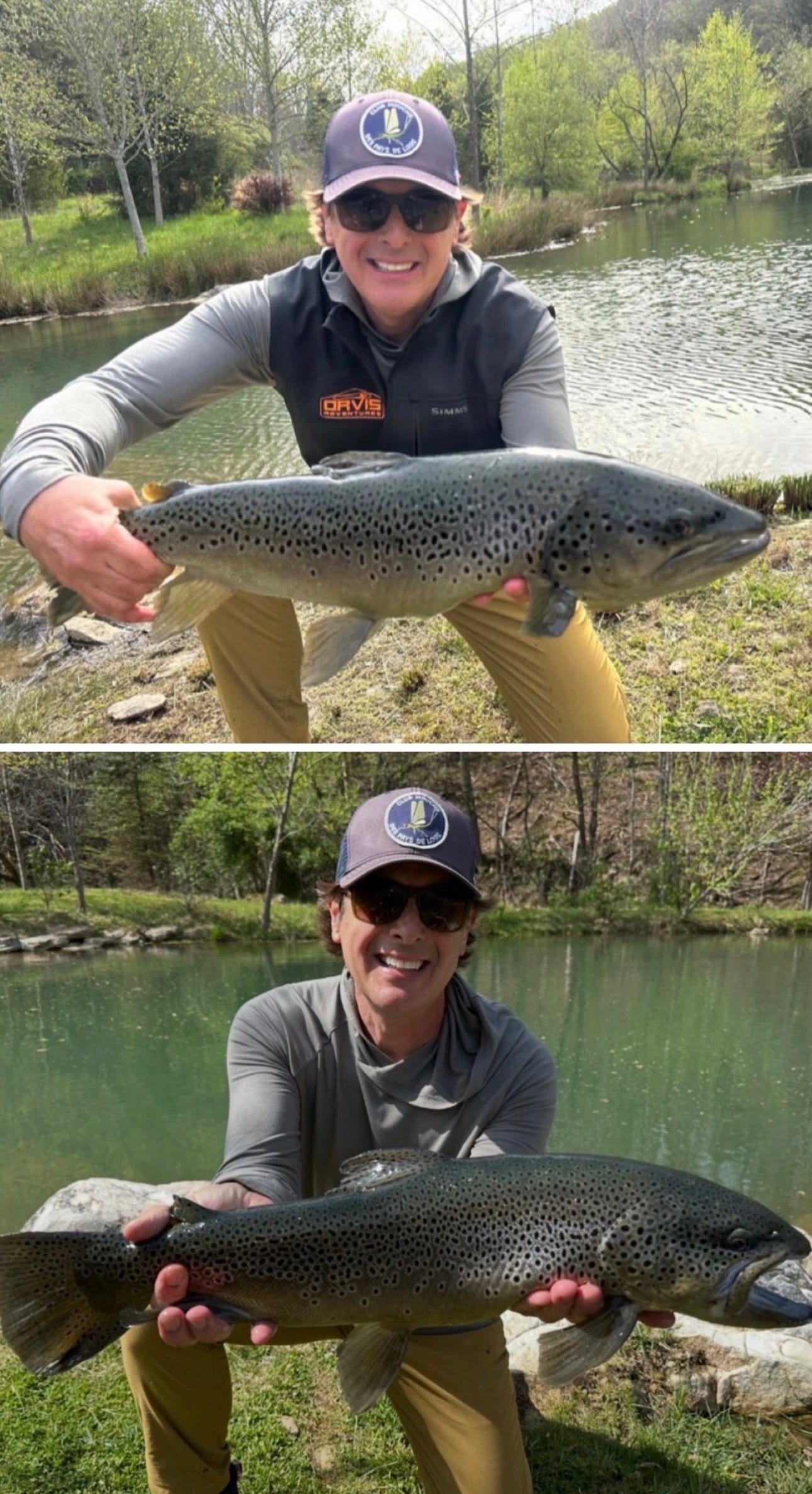
Truthfully, process may have mattered most. Landing fish of that size in smaller water takes patience, positioning, and preparation long before the hook is ever set.
Reflection
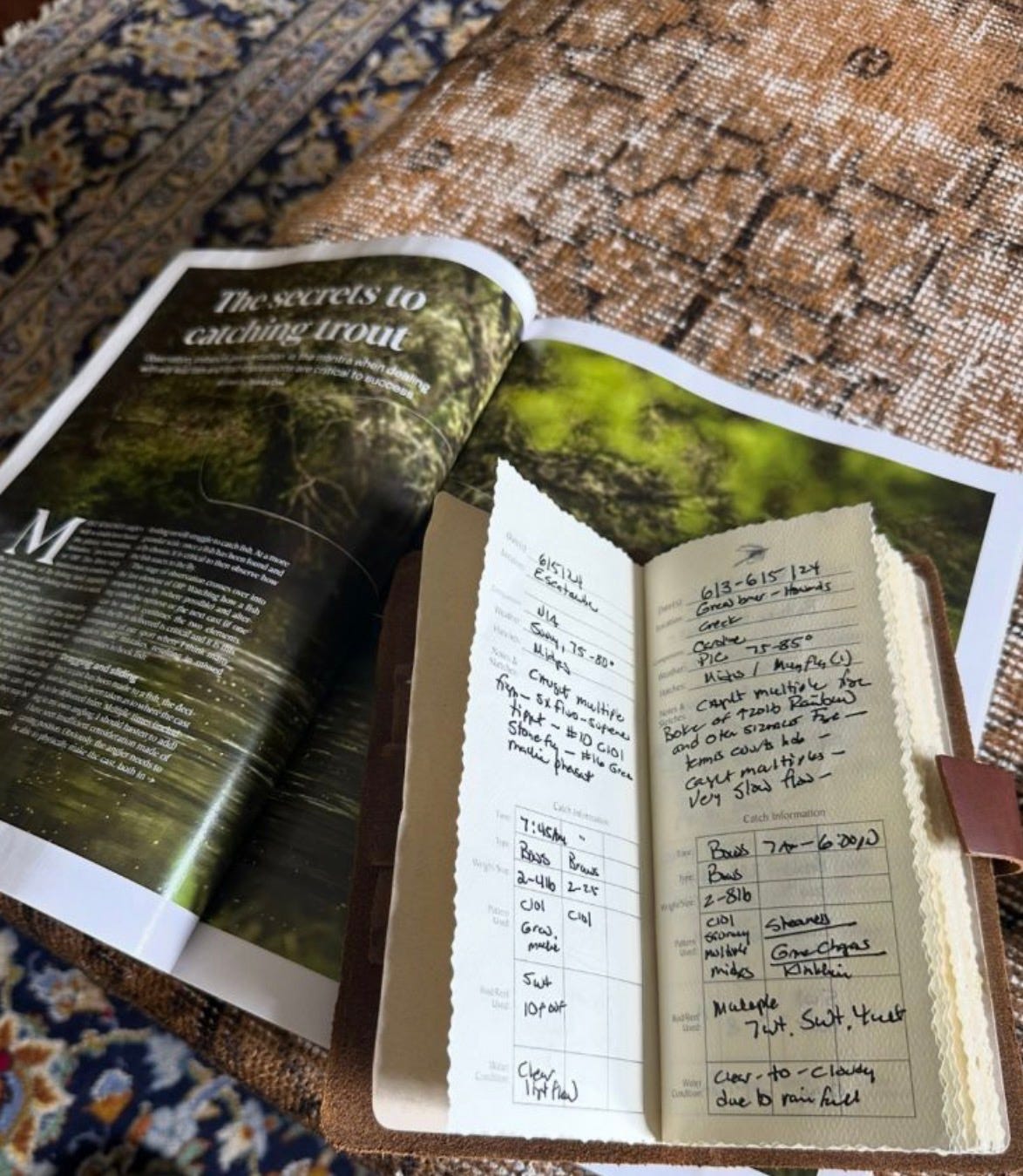
One of my favorite past times of this sport is the reflection, the strategy, and post trip observation. I always take time to journal conditions, flies and process into my logbooks. This approach allows me to reflect back to best practices for next time for a more enjoyable experience.
For example, during my last trip, the days were beginning to heat up quickly. It was around 85 degrees where I was fishing, and I was on the stream earlier in the day from around 6:00 a.m. until about 8:30.
After breakfast, I returned to the room and spent some time reading and writing. Honestly, I nearly threw a rock at the day and called it done. I thought to myself, You know what? I’ve already had a great trip.
But then I remembered a previous trip where the trout moved as the temperatures heated up.
Earlier that morning, while walking across a bridge, I had noticed several large trout positioned beneath the structure. Almost immediately, I thought, This could be an opportunity.
As I walked to the bridge, the fish had moved under the bridge for shade and protection. There was a good chance they were still feeding in the afternoon.
That turned out to be exactly the case.
As I carefully worked my way beneath the bridge, I sat quietly and simply observed. I began noticing subtle rise forms, not the aggressive feeding activity of a prolific hatch, but occasional rises as random insects drifted by or fell into the water.
That observation told me everything I needed to know.
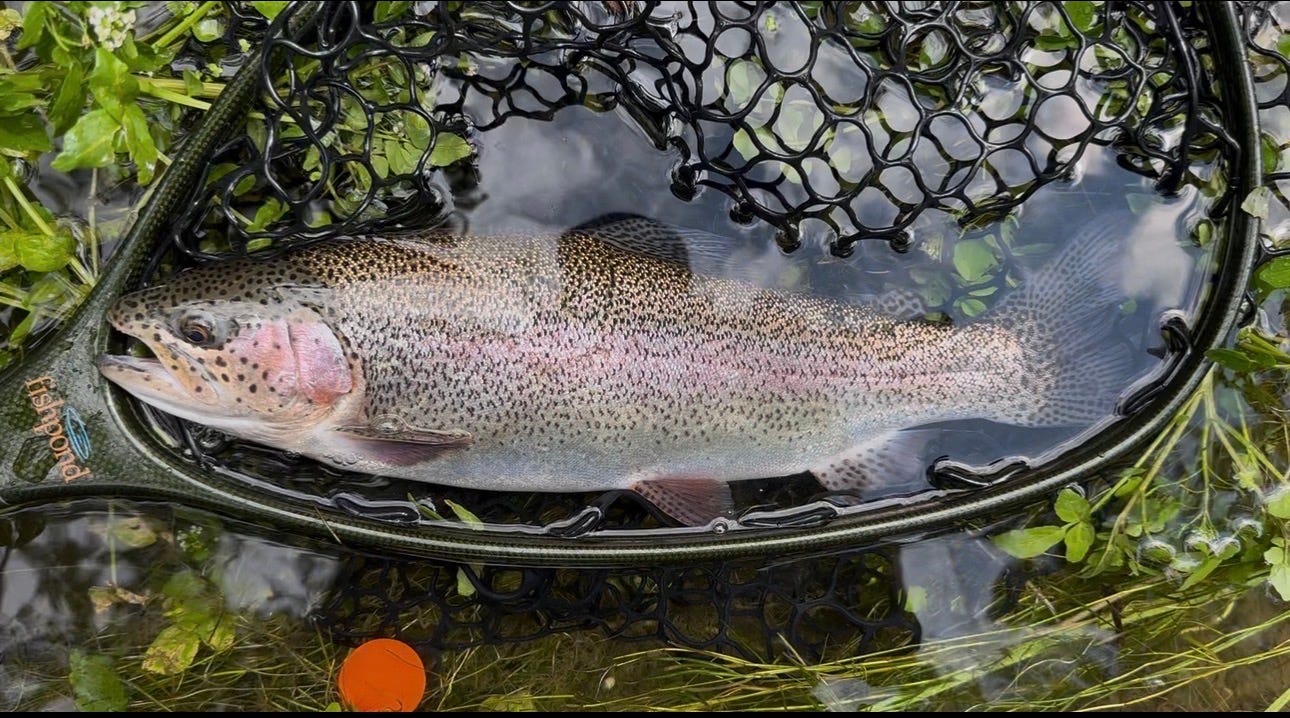
A size 14 and 16 March Brown ended up doing the trick, and before long I was connected to a beautiful rainbow trout. It was an incredible fight in tight quarters, but eventually I worked the fish to the net, admired it for a brief moment, and released it back into the current.
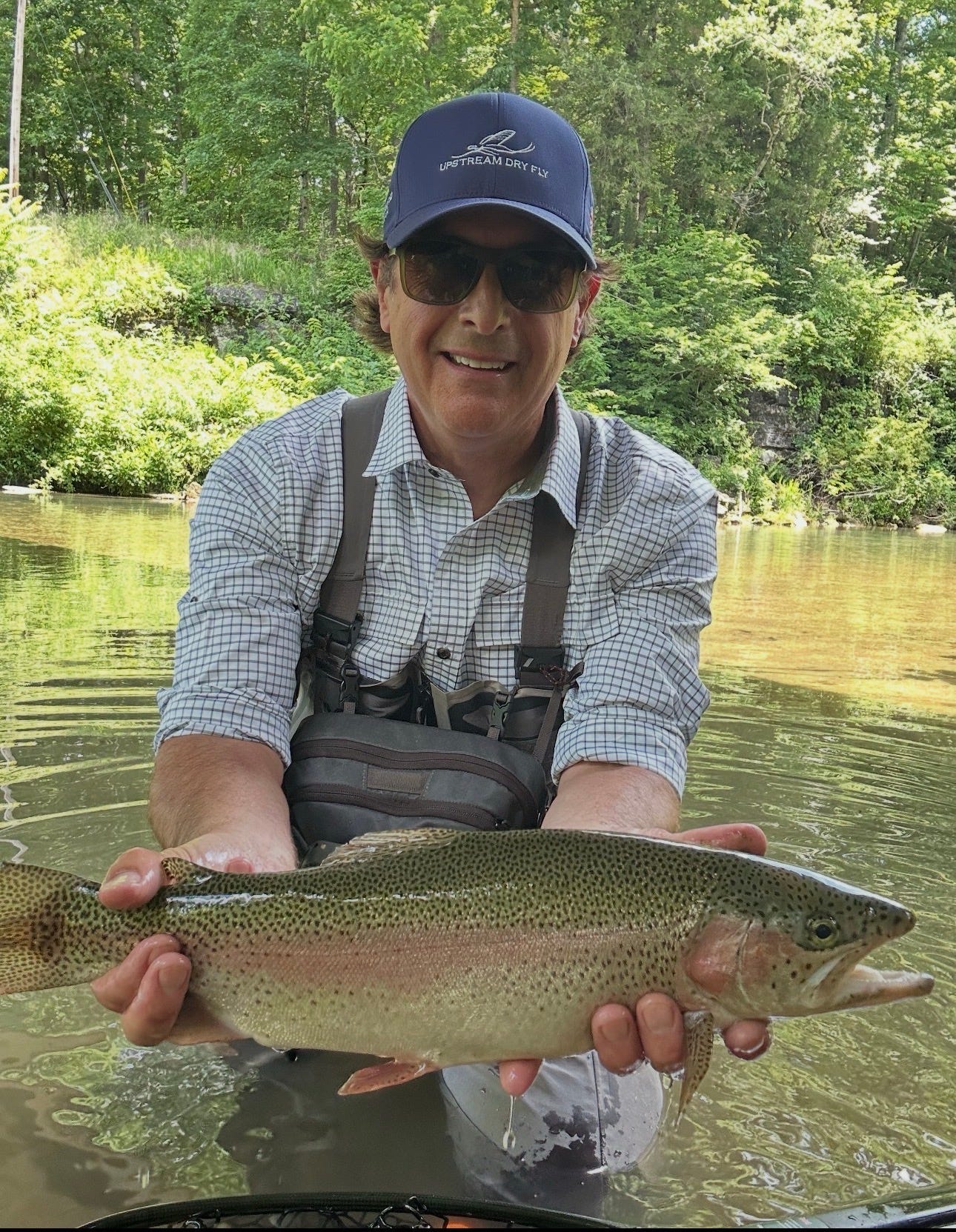
Moments like that remind me that patience and observation will often reveal opportunities most anglers walk right past.
As we move into summer, conditions will continue to change. Water temperatures will rise, insect activity will shift, and trout behavior will evolve. Yet the fundamentals remain the same.
Observe first. Match what nature is providing and trust the process.
More often than not, the fish and the memories will follow.
Tight lines,
John
 /fishingtv
 /fishingtvapp
 /fishingtv