Fishing the Torrener Ache: Lessons from Alpine Rivers-Austria
By John Langcuster-The Rise Podcast-Fishing TV
I have fished many rivers across the United States. Most carry color, breadth, and a certain forgiveness. Alpine waters, by contrast, feel almost confrontational. They are clearer, colder, and far less tolerant. The trout see you long before you see them, already settled into their selective positions.
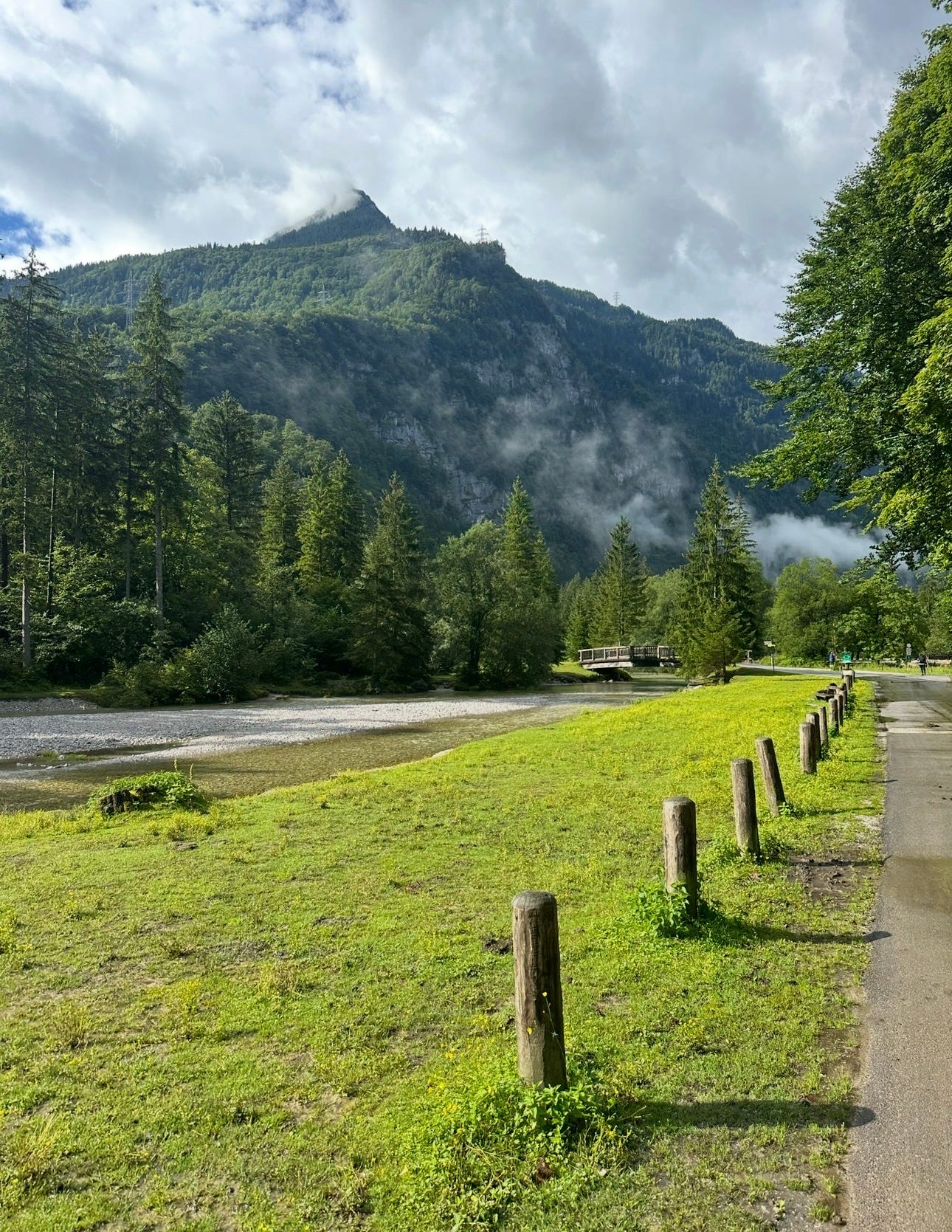
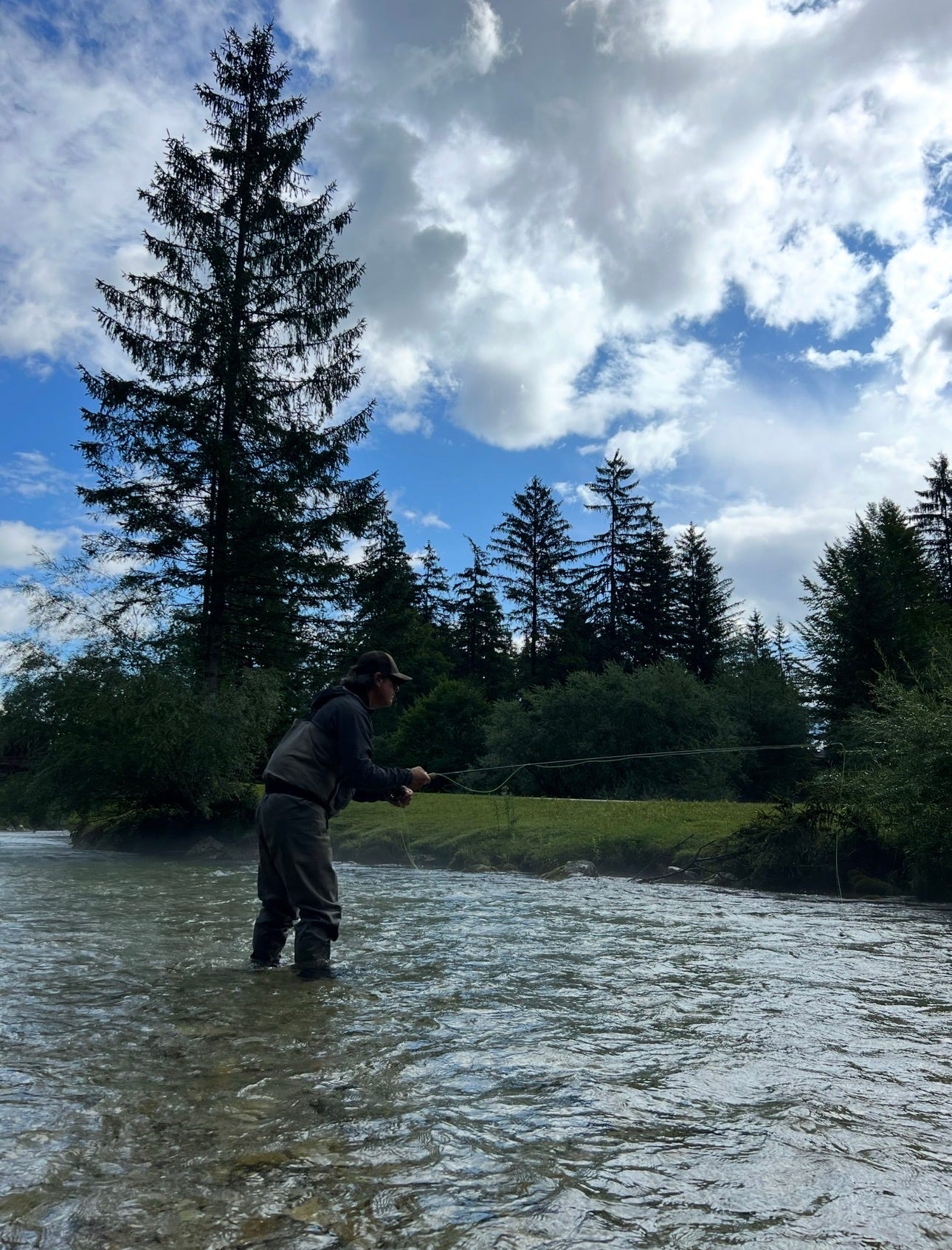
My first trip to Austria, I did not have the opportunity to fly fish. My return trip, I packed my gear and landed on a beautiful stretch of water, Torrener Ache. Rivers like the Torrener Ache don’t ease you in, they reveal you. It is one of the most beautiful settings I’ve ever fished. The surroundings demand attention just as much as the river does.
Fishing the Torrener Ache, I quickly learned that Alpine water moves with purpose. Fed by snowmelt and high-elevation springs, shaped by gravity more than distance, these rivers descend rather than wander. They don’t sprawl across a landscape; they cut through it. It is an absolute thing of beauty.
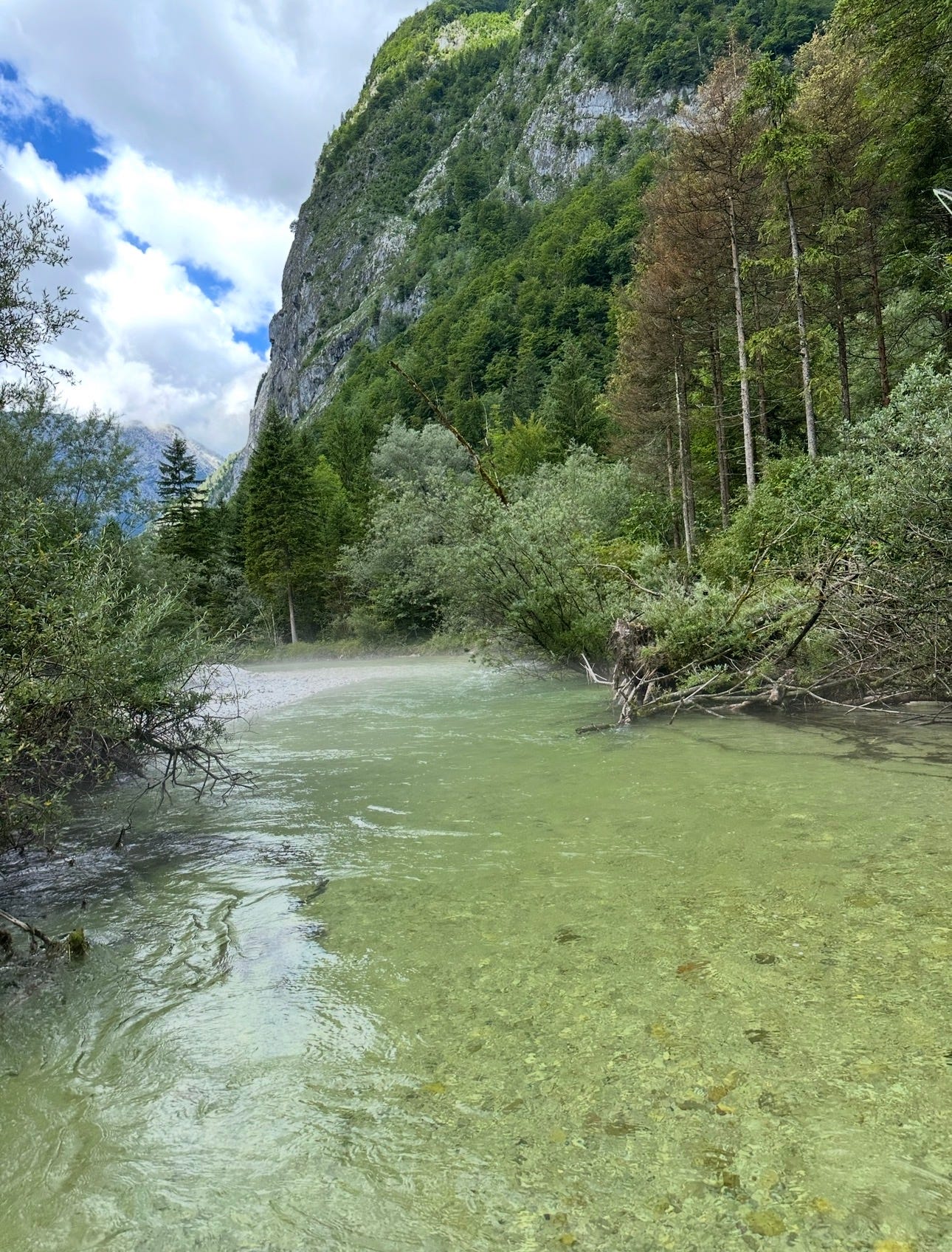
Filtered through limestone and elevation, Alpine rivers often run so clear they feel unreal. Walking to the stream from the village, it looked unlike anything I had ever seen. From the bank, you can spot trout holding in seams and shadows, watching the world pass above them.
Back home in the States, wide range of conditions on the water and color offer a margin for error. In Austria, that margin disappears. Long leaders aren’t optional, and careless steps aren’t forgiven. Both trout and grayling sense your presence immediately.
The flow of Alpine water is fast powerful at times on the surface, along with precision underneath. Brown trout live in narrow windows where the current delivers food efficiently, without cost. Miss that window by inches and the fly might as well not exist. In the U.S., you can sometimes cover water and let fish decide. Here, the river decides first, and the fish has the final word. I learned this repeatedly while casting to a well-positioned brown, tucked between structure, where no amount of effort could create a proper drift.
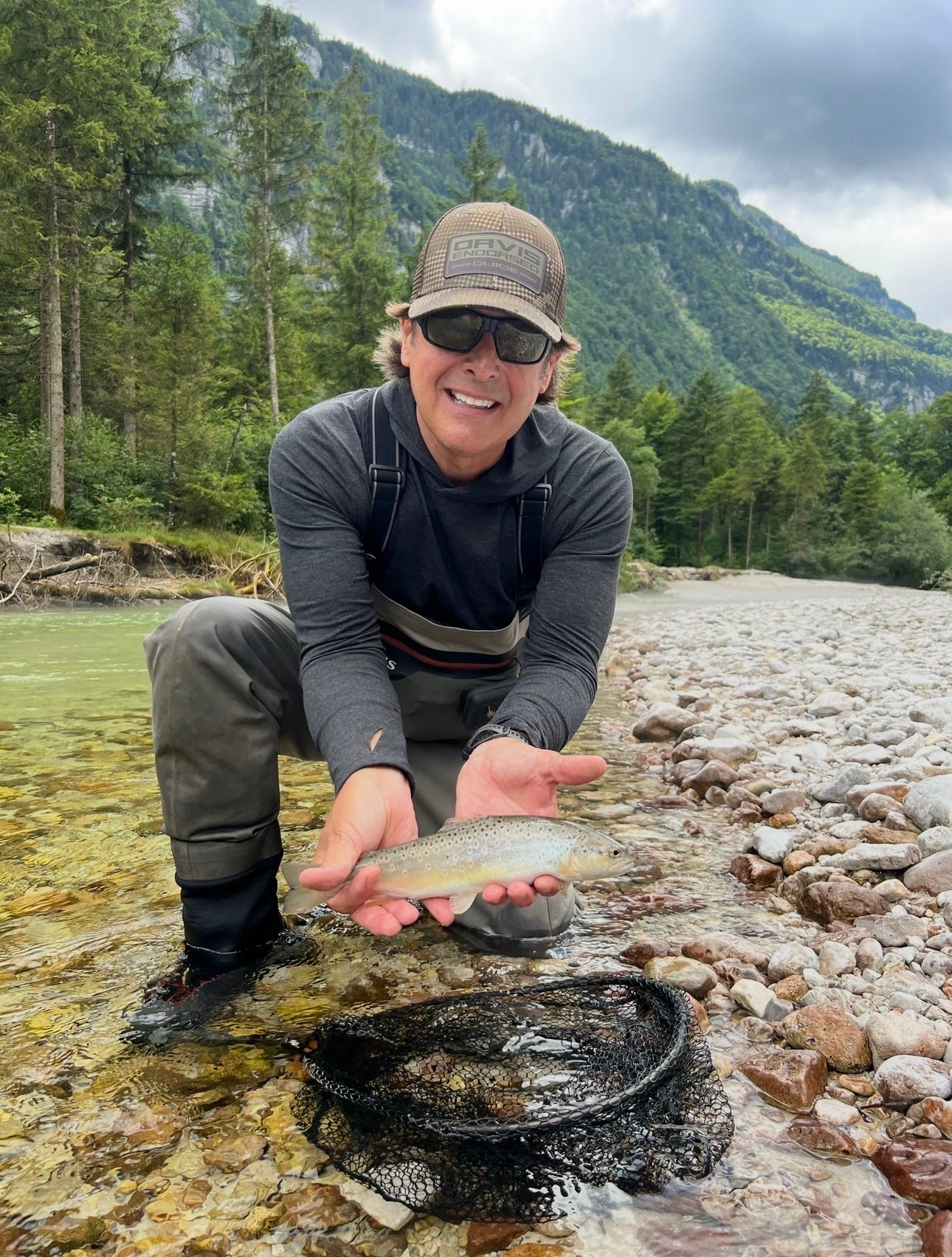
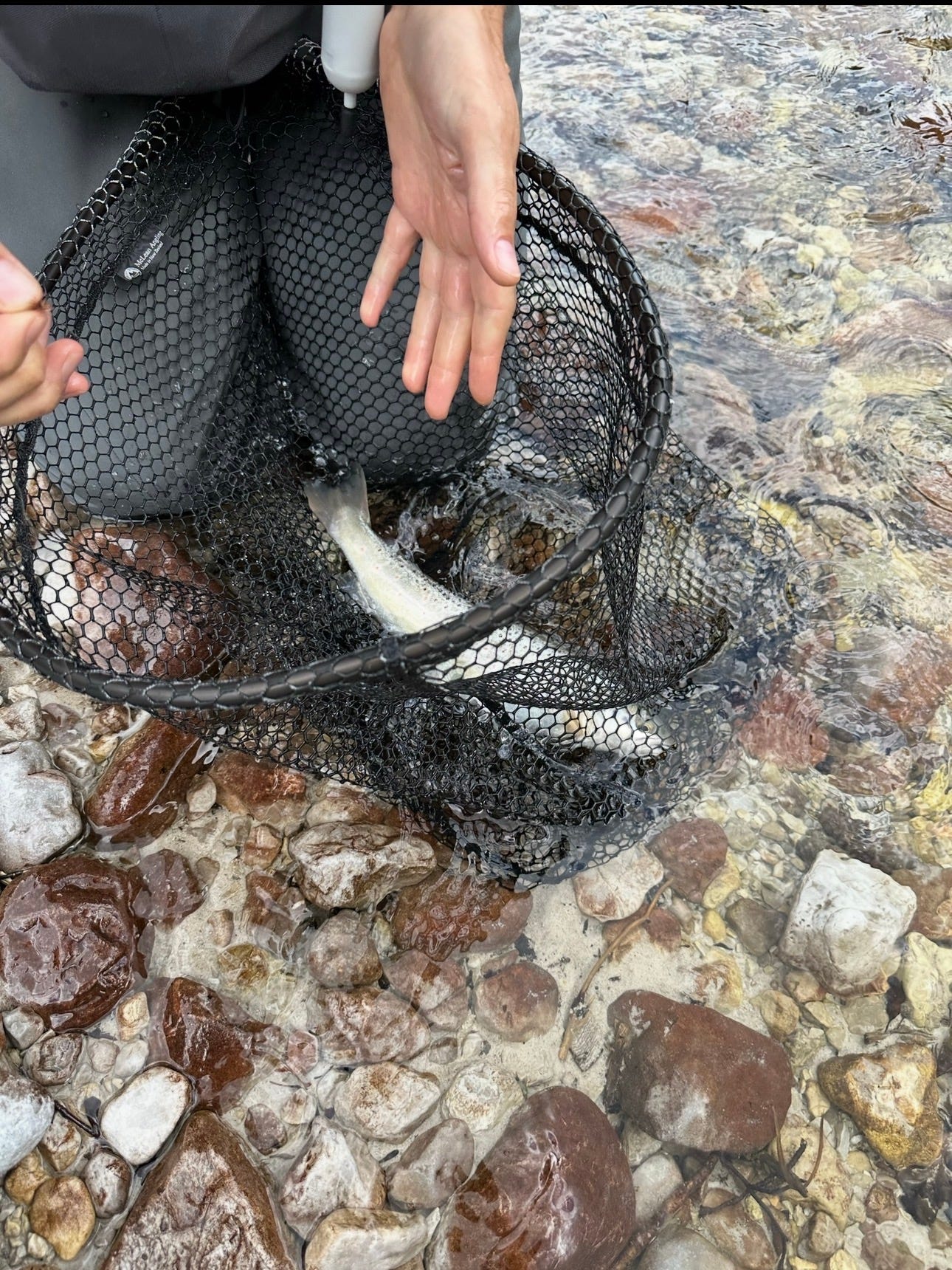
Alpine brown trout aren’t shaped by pressure from crowds, but by conditions. Cold temperatures, short seasons, and limited feeding windows make them deliberate feeders. They refuse cleanly. There is no half-interest. When a trout commits, it’s because everything aligned. Caddis and mayflies work well. Effective dead-drifted, skittered (skated), or even stripped, mimicking emerging, adult, or scurrying insects proved to work. My guide for the day, Julius had a variation of a mayfly/dun in brown and did its job attracting fish. Blue Wing Olives, black caddis and CDC-emergers along with zebra midge sizes 16-18 worked well.
Spring brings the angler snow run off from the mountains. Summer offers clarity and a technical approach. July in Austria was perfect, with clear water and partly cloudy skies. Autumn strips the river down to essentials. Each season requires recalibration. Alpine water doesn’t allow reliance on memory; it is a puzzle that changes with time.
Standing in this stretch of stream just outside Salzburg, far from home, you naturally slow down. The setting forces you to breathe, to adjust. You walk more than you wade. You make fewer casts and wait. Fly fishing becomes less about rhythm and more about restraint. Also, less about doing what we’re used to back home and more about noticing what’s in front of us.
That’s why I enjoy traveling to new places to fish, not only to witness God’s beauty, but to learn new ways of engaging the water. Every step, every cast, every pause matters. For an angler traveling from home to waters like the Torrener Ache, the lesson is immediate and humbling: clarity demands honesty, from the water, from the fish, and from the angler.
Tightlines.
John

 /fishingtv
 /fishingtvapp
 /fishingtv