The Little Things Matter Most When Nymphing for Trout
By John Langcuster, Host of The Rise Podcast by Fishing TV
One of the greatest lessons fly fishing has taught me is that success rarely comes from one dramatic change. More often, it’s the little things, the subtle adjustments that separate an average day to an exceptional one.
Over the decades, I’ve fished everything from large Western rivers to the intimate spring streams across Europe. Every stream has taught me something different, and every guide, friend, and day on the water has added another piece to the puzzle. Looking back, I’ve realized there are a handful of small details that consistently lead to more trout in the net.
It Starts with the Angle of the Cast
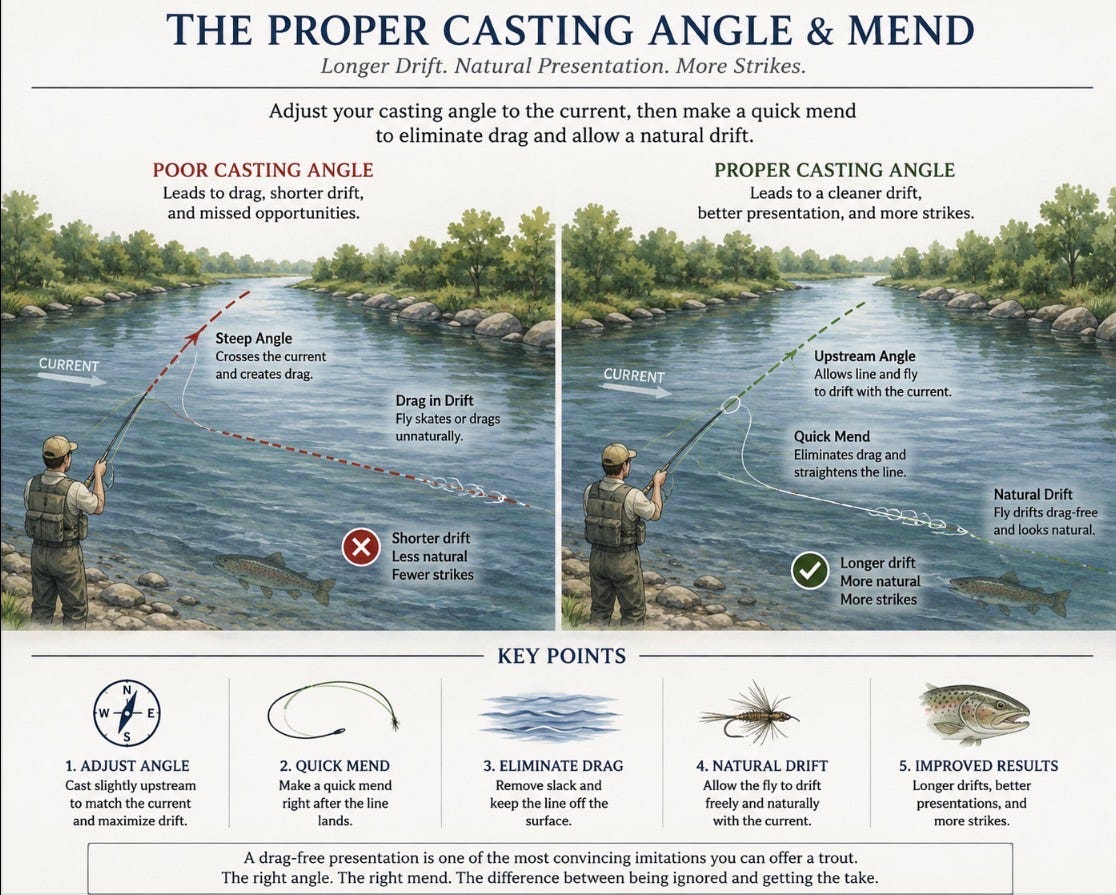
One of the most overlooked aspects of nymphing is the angle of your cast.
A cast isn’t simply about placing the fly where you want it. It’s about positioning everything so your drift begins naturally from the moment your flies touch the water.
If you’re fishing with an indicator, make your mend immediately after the indicator lands. Your goal is to allow the flies to sink beneath the indicator, not race ahead of it.
When the cast lands at the wrong angle, the flies often lead the indicator underwater. Trout can eat the fly, but because the indicator never reacts naturally, you’ll never know the strike happened.
The proper casting angle creates a longer, cleaner drift and dramatically improves your ability to detect subtle strikes. As you make each cast, adjust your angle to match the speed and direction of the current. Then, make a quick, well-timed mend to eliminate drag and allow your fly to drift naturally with the flow. A drag-free presentation is one of the most convincing imitations you can offer a trout, and it’s often the difference between being ignored and getting the take.
Observe Before You Cast
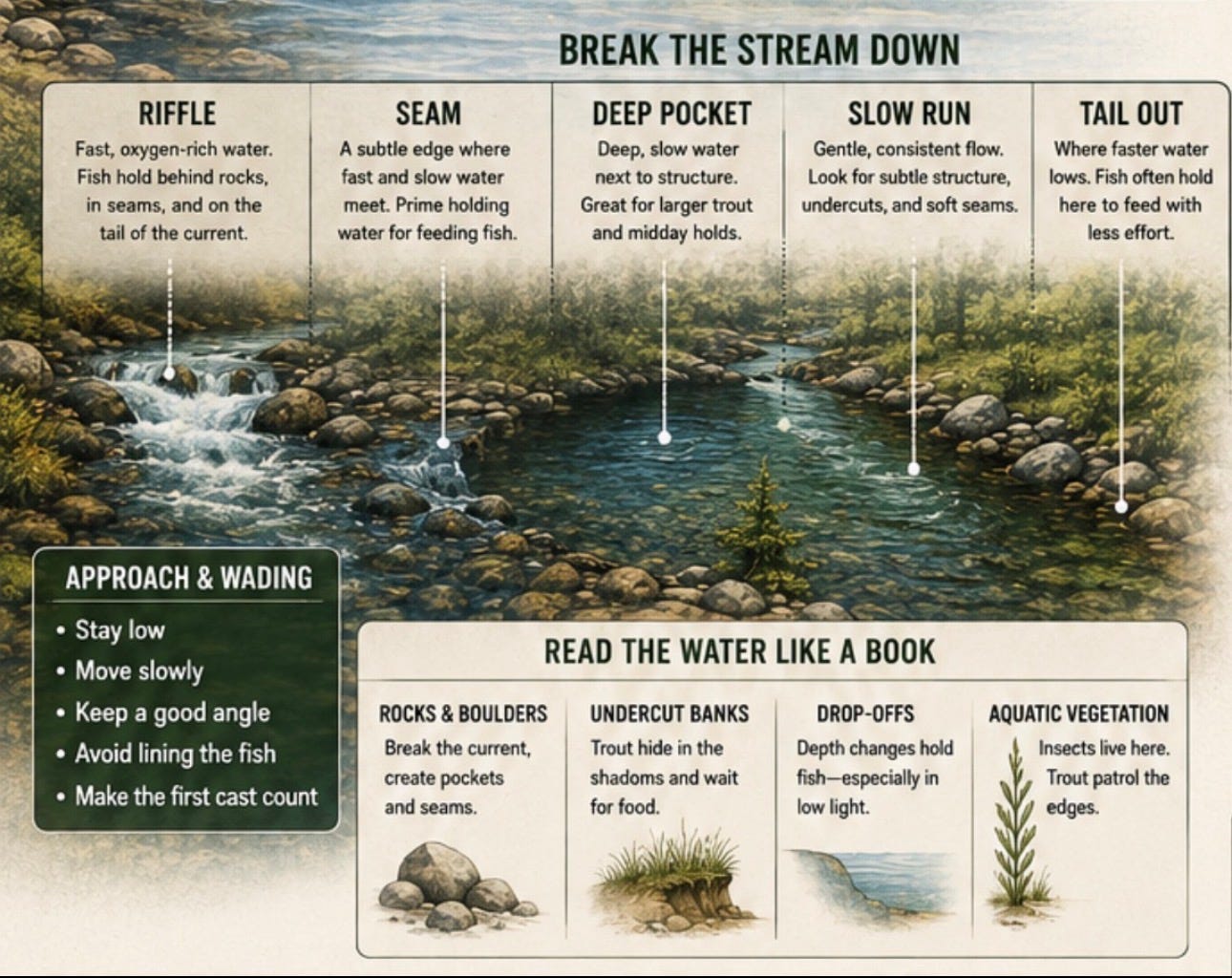
Before making your first presentation, spend a few moments simply watching the water.
Study the current seams.
Notice where fast water meets slow water.
Pay attention to depth, speed, and the subtle changes in flow.
The river is already telling you where your drift needs to be you simply have to slow down long enough to listen.
Rod Position Matters More Than You Think
Another detail I see many anglers overlook is how they hold the rod during the drift.
Holding the rod too high often introduces unnecessary drag and holding it too lows leaves excess line on the water and forces constant mending.
I prefer holding the rod roughly level with the middle of my chest while keeping as much fly line off the water as possible. That position allows the flies to drift naturally while minimizing unnecessary mends.
The less you disturb the drift, the more naturally your flies behave.
Short Casts Catch More Trout
Many anglers believe longer casts equal better fishing.
In my experience, the opposite is often true.
Some of my most productive drifts are only five to ten feet in front of me.
A shorter cast gives you better control, better strike detection, and a much more natural presentation.
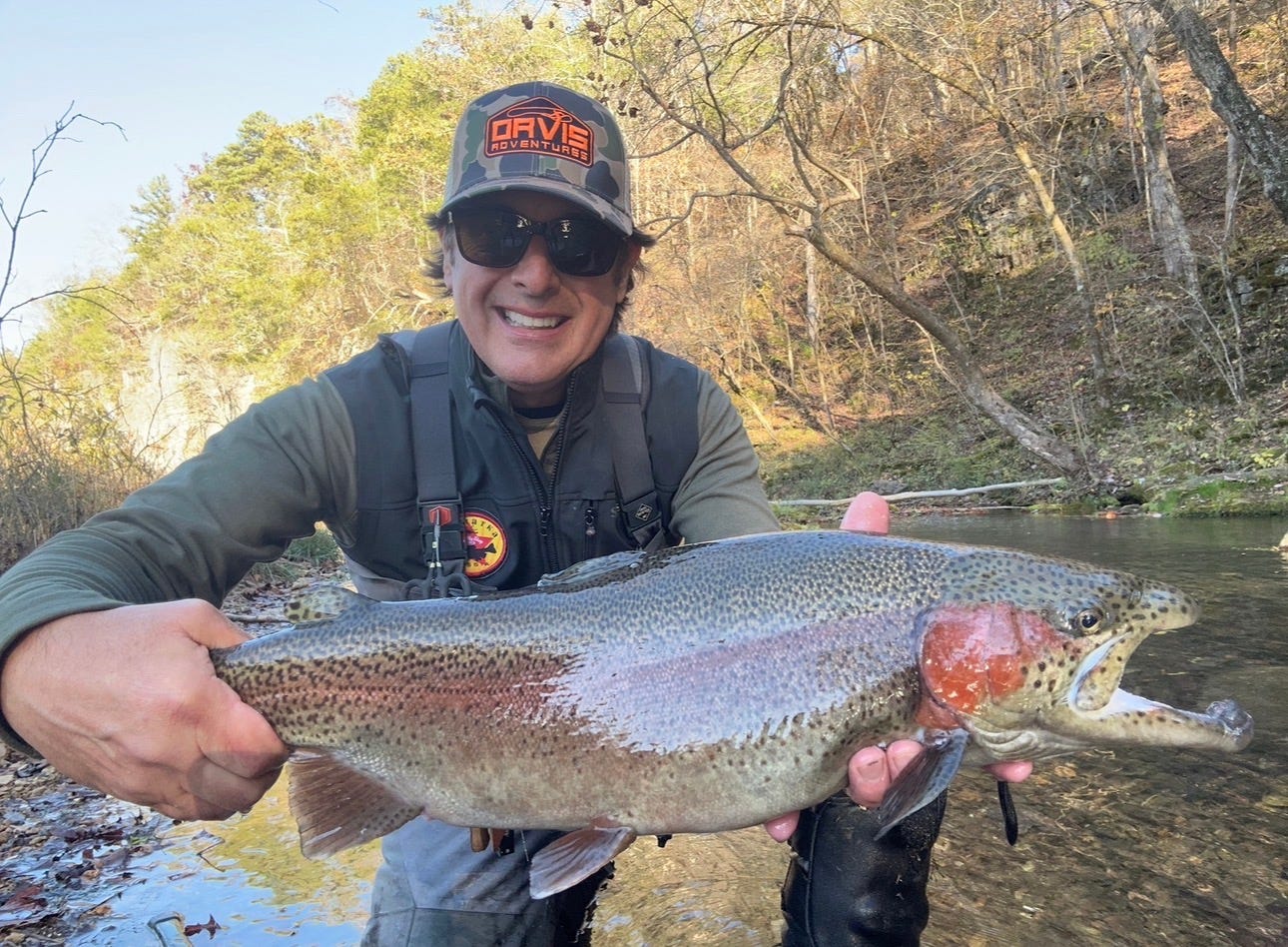
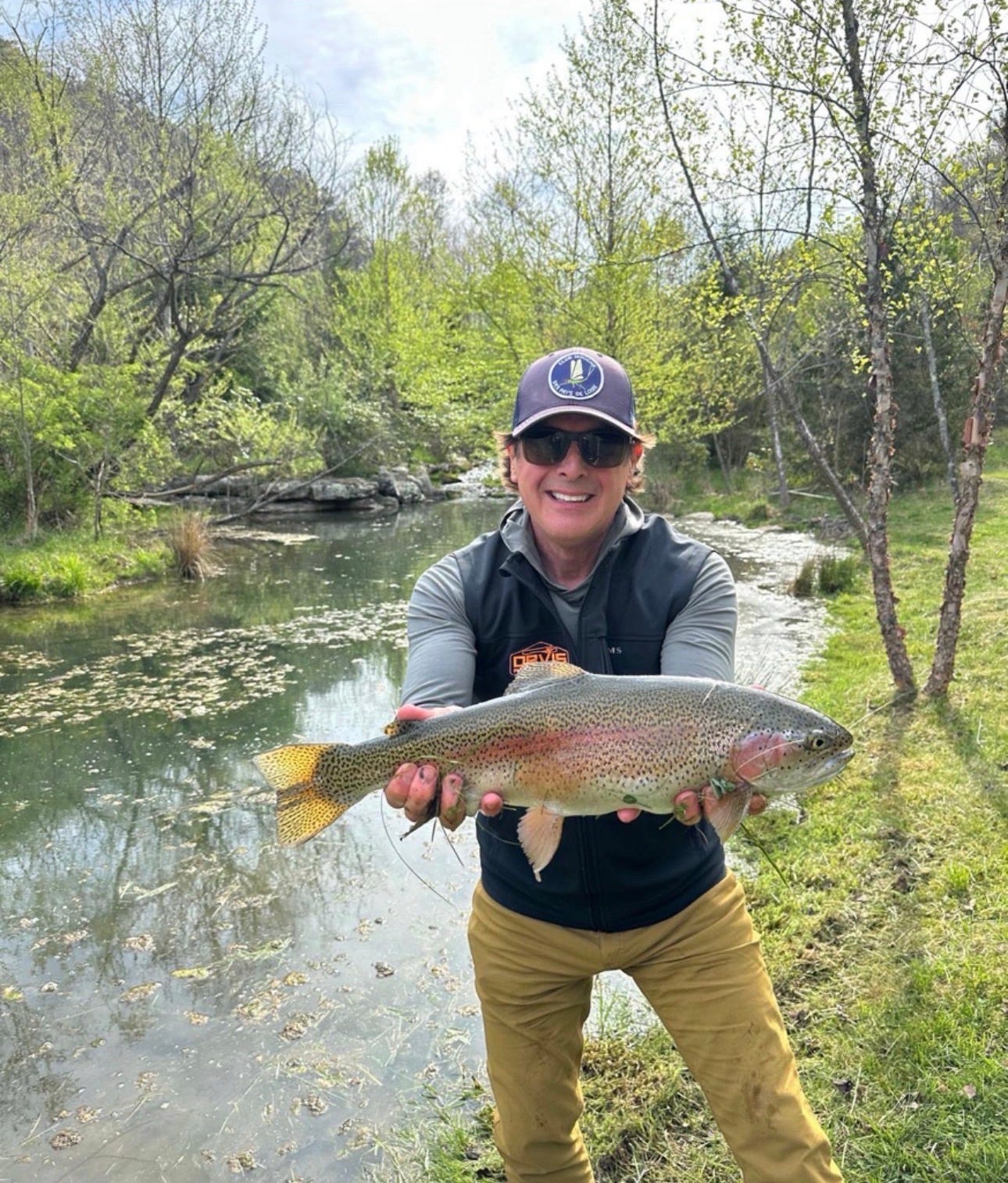
Earlier this summer, I spotted a beautiful rainbow trout sitting comfortably in a spring creek. The water was crystal clear beneath a bright summer sky.
Rather than rush the cast, I got down on my knees, kept my profile low, and approached with almost no movement.
One careful cast.
One perfect drift.
The indicator hesitated.
Moments later, that beautiful rainbow rested briefly in my net before swimming away unharmed.
That fish wasn’t caught because of a complicated technique. It was caught because of patience and paying attention to the little things.
Don’t End the Drift Too Soon
Years ago, while fishing Arkansas’ famous White River, a guide gave me advice I’ve never forgotten.
“Let it drift two more feet.”
At first, I assumed the flies would begin dragging.
They didn’t.
Instead, I started catching trout at the very end of the drift, ones I would have missed had I lifted the line too early.
Many anglers end their presentation just before the trout decides to eat.
Now, I almost always allow my drift to continue those extra couple of feet.
It has resulted in countless additional fish, including several trophy trout.
Sometimes an Indicator Isn’t Necessary
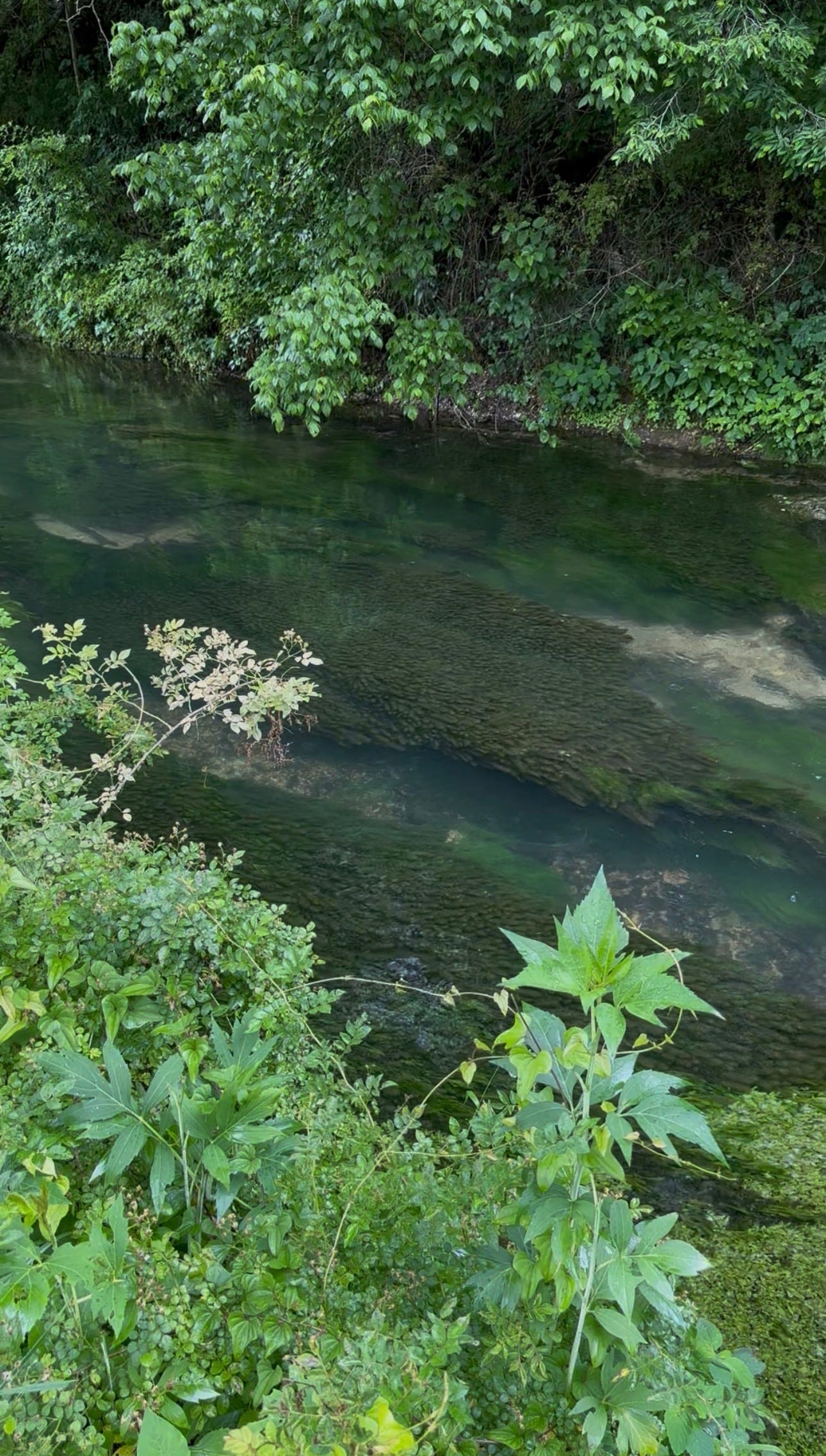
Every river or stream is different. Earlier this spring, I fished a small Ozark spring creek filled with aquatic vegetation and submerged structure.
An indicator simply wasn’t practical.
Instead, I tight-lined my flies through the narrow current, watching carefully for the flash of a trout’s white mouth as it opened to eat.
That subtle flash became my strike indicator.
Sometimes the simplest presentation is the most effective.
Choosing the Right Indicator
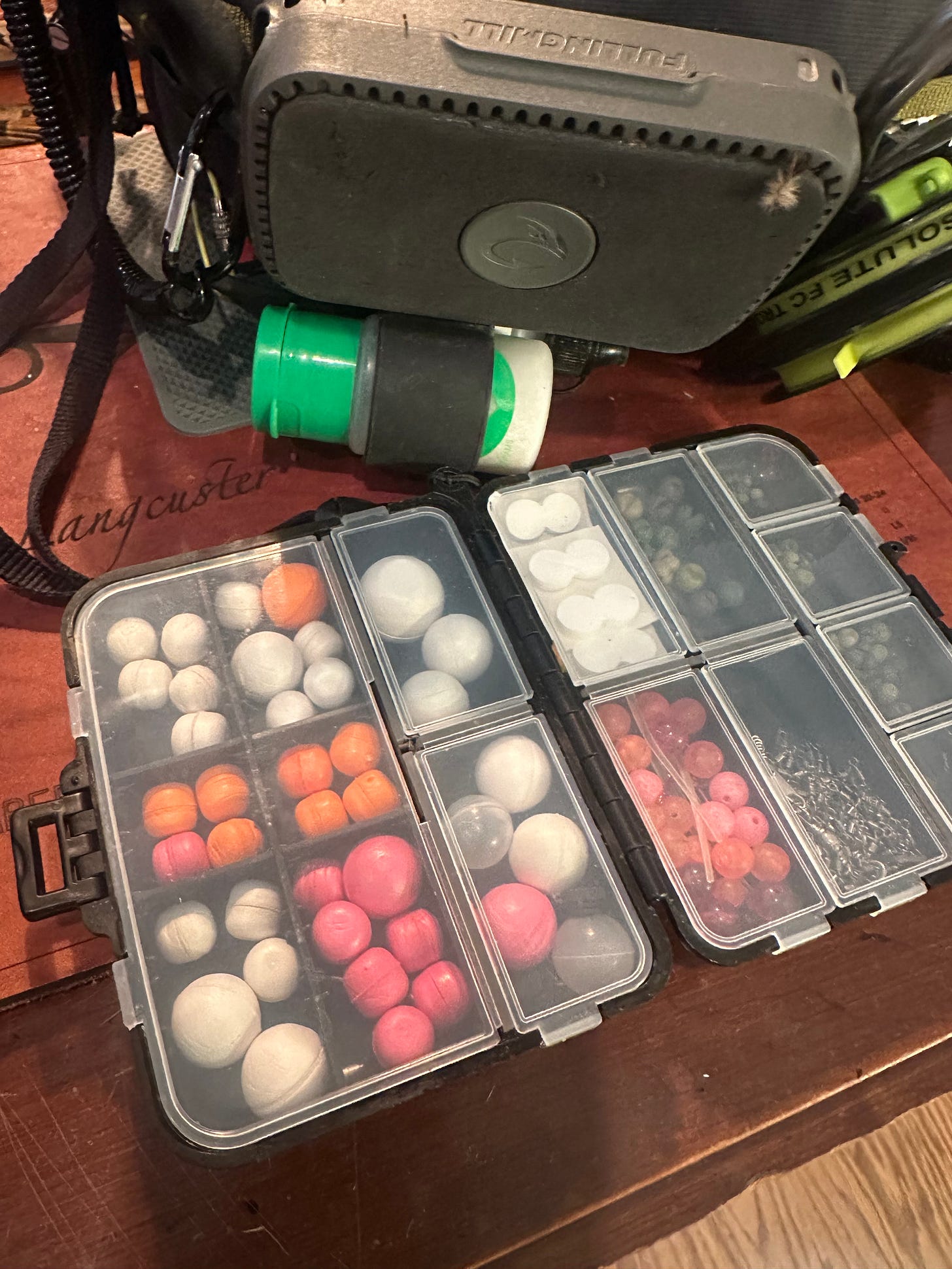
When I do fish with an indicator, I prefer the Oros Strike Indicator screw-on that locks around the leader. I usually fish either the extra-small or small size.
White is my first choice nearly 90 percent of the time because it appears natural like foam and it’s easy to track in most lighting conditions.
However, when glare from the sun begins reflecting off the water, visibility changes. That’s when I’ll switch to a brighter color like pink or orange to make subtle takes easier to detect.
The best indicator is the one you can see clearly.
Why I Prefer a 10-Foot Rod
Over time, I’ve become a strong believer in fishing a 10-foot rod for nymphing.
Whether it’s a 3-weight for smaller water or a 4- or 5-weight for larger rivers, the extra length gives you greater line control, easier mending when necessary, improved strike detection, and better drift management.
It simply makes all the little details easier to execute.
The Little Things Add Up
The longer I fish, the more I realize that fly fishing isn’t about perfection.
It’s about paying attention.
A better casting angle.
One clean mend.
The right rod position.
An extra two feet of drift.
A quieter approach.
A different indicator color.
None of these adjustments are dramatic by themselves.
Together, however, they often make the difference between wondering why the trout wouldn’t eat and watching your indicator pause before lifting into another beautiful fish.
That’s the beauty of fly fishing. We’re always learning. Every river offers another lesson, every trout teaches us something new, and every day on the water gives us another opportunity to become better anglers.
Most importantly, don’t forget why we fish in the first place. We fish because it’s fun. We fish because we never stop learning. We fish because God’s creation surrounds us with beauty that can’t be found anywhere else.
Enjoy every cast, every lesson, and every trout.
Tight lines,
John
 /fishingtv
 /fishingtvapp
 /fishingtv