By John Langcuster, Host of the Rise Podcast by Fishing TV
My last post, I discussed the little things that often make the biggest difference when nymphing for trout. Small adjustments in casting angle, mending and drift management can often turn an average day into an exceptional one.
In this article, I want to go a little deeper.
Rather than focusing solely on technique, I want to discuss how I approach an entire stretch of water and the thought process that takes place before I ever make a cast.
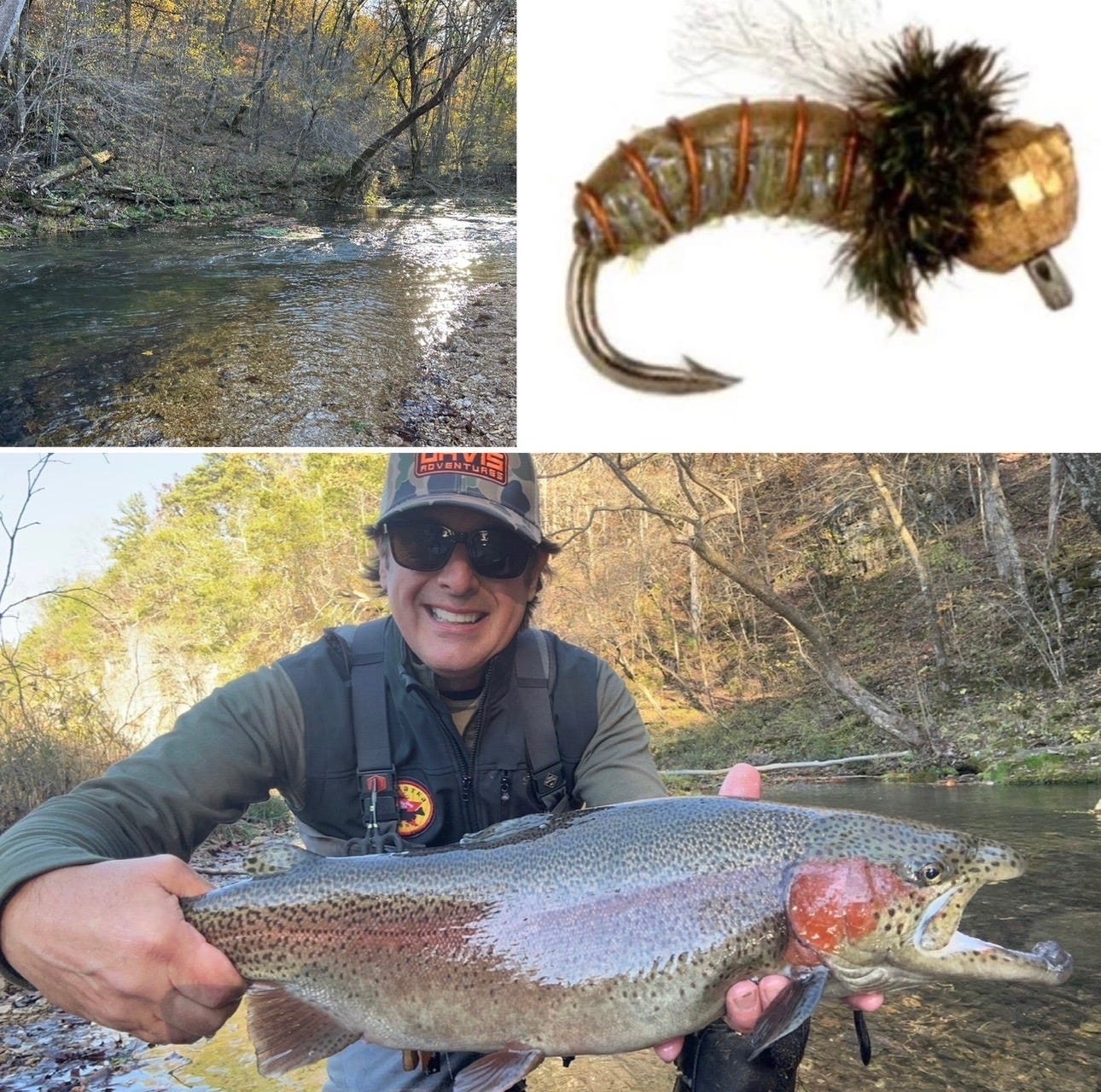
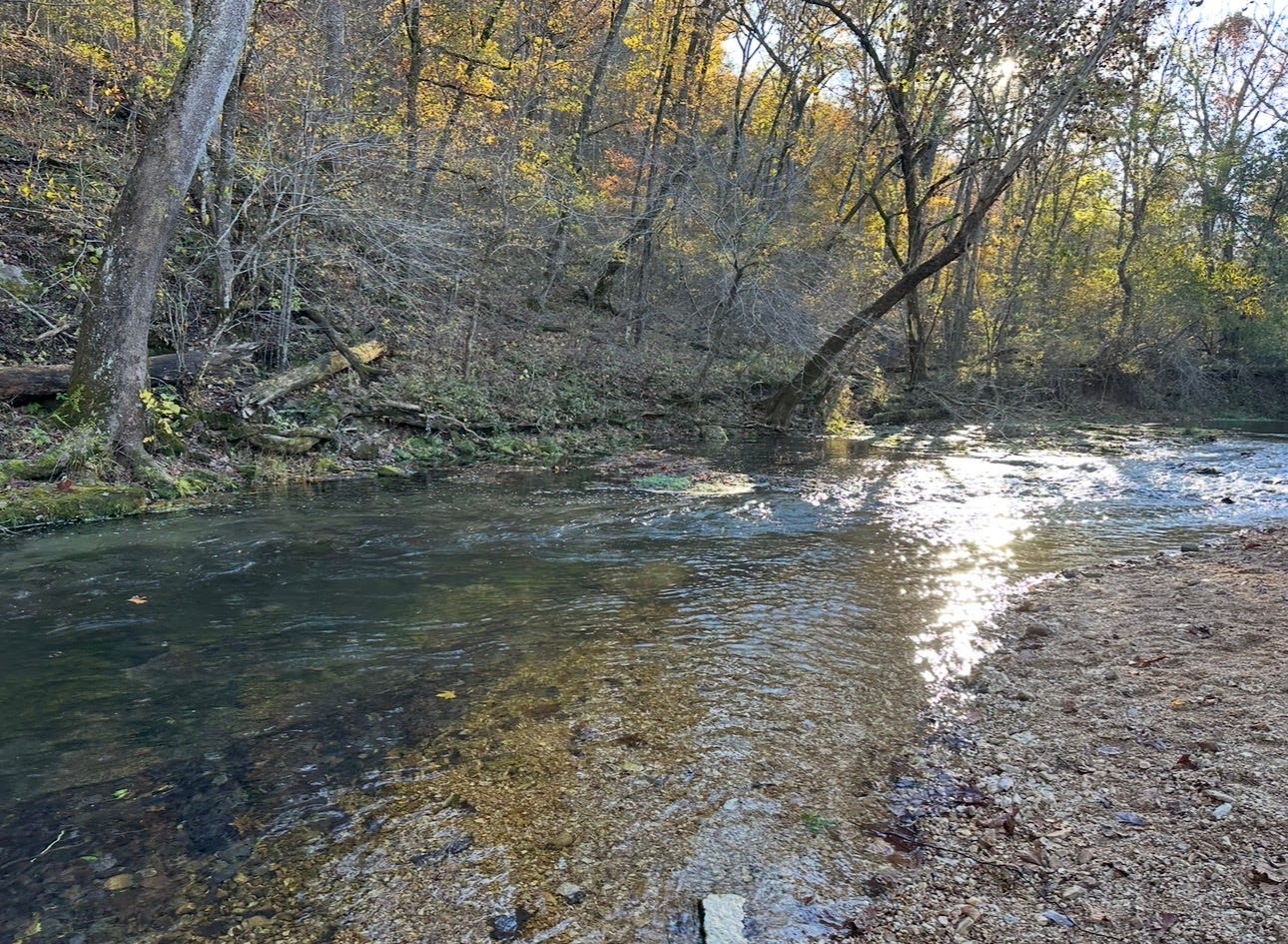
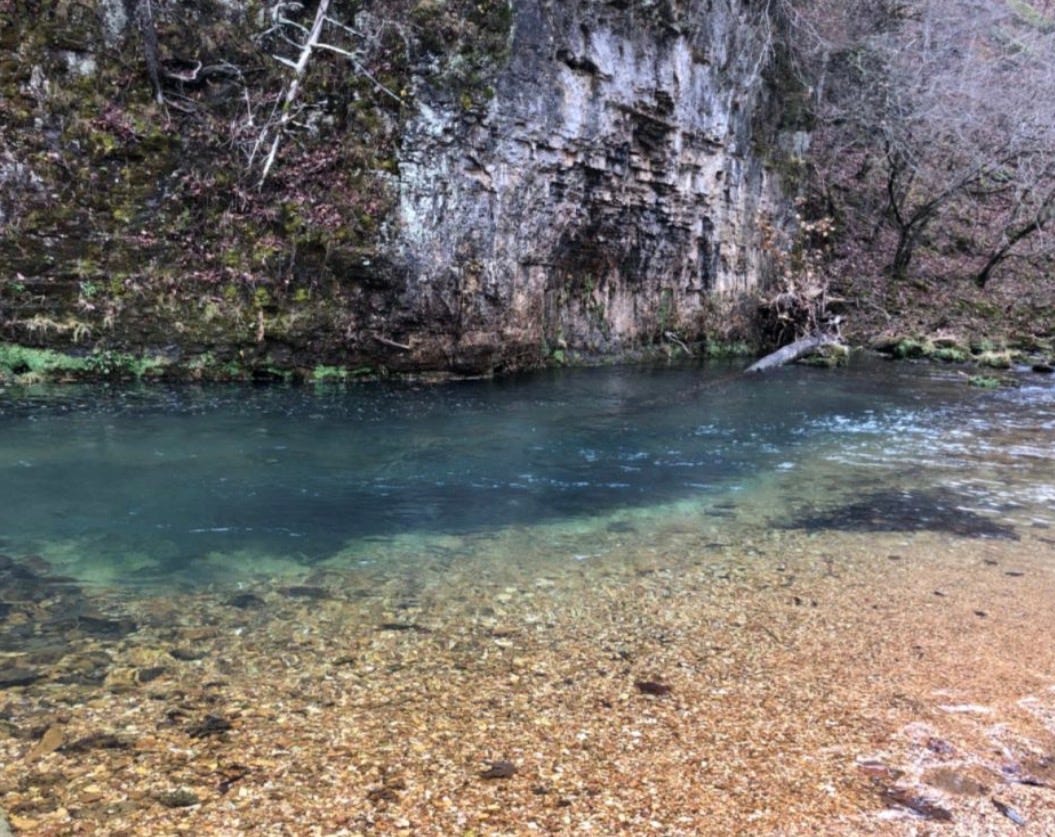
Last Fall, I found myself revisiting a stretch of water I’ve walked past countless times on one of my favorite spring creeks. It hugs a bluff wall, flowing quickly, and for years I never paid it much attention. I’ve noticed a nice area just above the deep run with good current for trout to stage and feed. On this day, though, the water clarity was perfect, I could see fish, but hard to tell exactly how many and were they eating.
I tied on my go-to rig: a C101 stonefly #14 and #16 Habanero nymph as my bottom fly. First cast, perfect drift. The indicator dipped, and I brought in a solid trout. After releasing the fish and letting the pool settle, I sat back on the bank and just watched. Observation, it’s a discipline I’ve been working on, especially since I only get to fish a few times a year. It takes restraint not to cast at every fish you see.
Then I saw a flash and a red stripe. A nice rainbow, colored up for the fall. The fish was worth my effort.
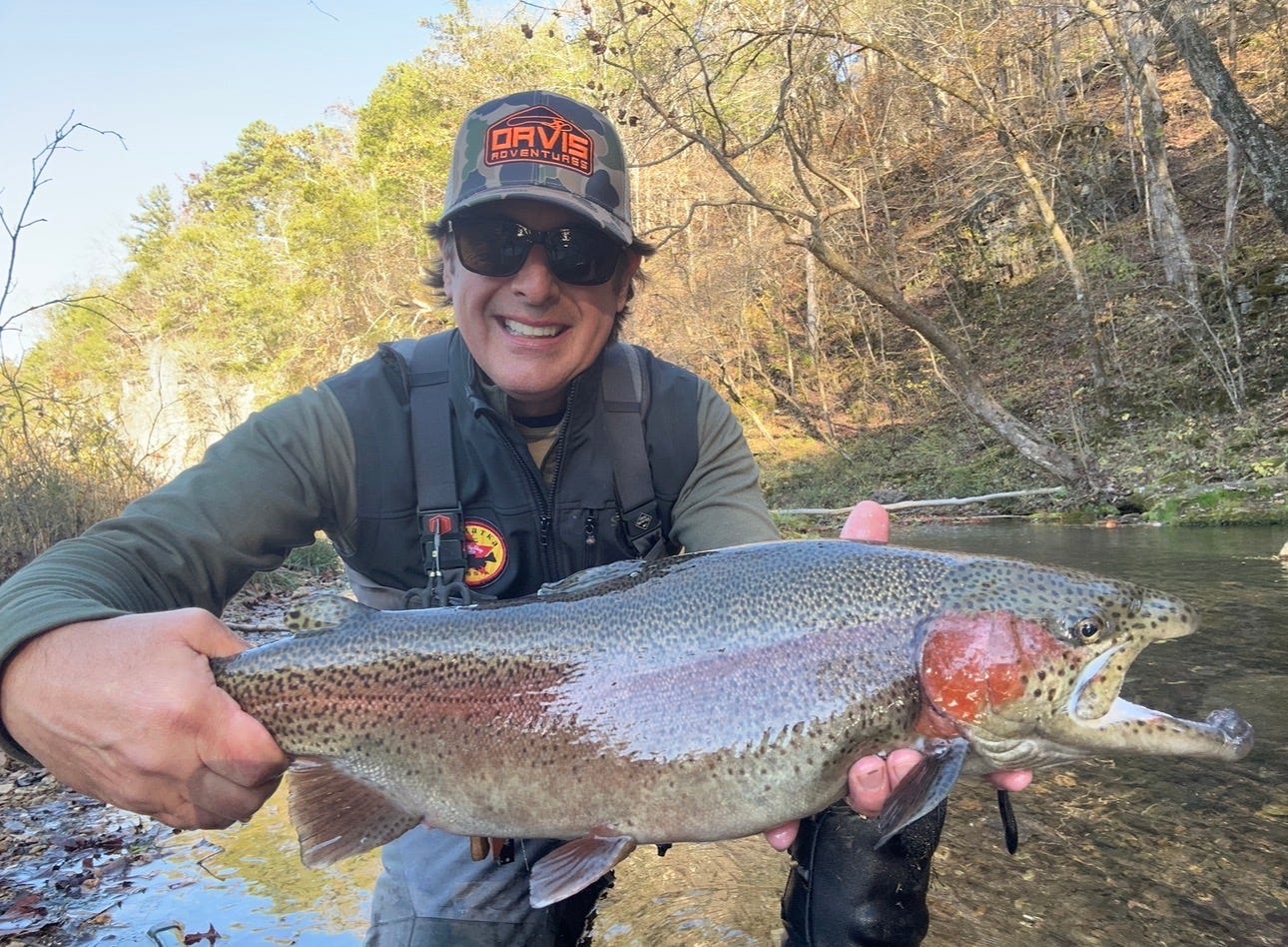
I dropped to my knees to create a lower my profile and made the cast. The flies hit the seam, and the indicator dropped like a rock. The fish ran downstream hard. After a long back and forth, it surged upstream toward a stump. During the chaos, my 10-foot Sage rod came apart mid-fight. But I stayed with it as I made each step in current. With a bit of luck (and maybe a little madness), I scooped once with the net… then again… and landed the fish against the wall of the bluff.
It was a nice fish. I was surprised with its size.
I took a quick picture and as I released the trout, I realized: this fish knew its surroundings. Fish that size know how to make an angler’s heart break. It’s been hooked before and knows its environment.
Never forget, an experienced guide once told me, “Big fish don’t get big by being dumb”.
His comment made me ask myself, how disciplined am I when it comes to my favorite letters: OIP-Observation, Imitation and Presentation. Also, to complicate it more, what’s my plan once I make the connection with the fish?
I have actually spent time mapping out my approach before my first cast. Noting areas I can net, land the fish and release.
The fish marked another memorable entry into my fishing journal. And like every entry, it circled back to the three principles that guide every decision I make on the water.
Observation
Real-time awareness is everything. I look for bugs in the air, foam lines, and fish movement. I study:
Flows: How fast is the water moving? Are there seams or soft edges? Depth and Clarity: Can I sight-fish? Or will I need to trust my intuition?
That day, I could have just kept casting. Instead, I paused, watched, and spotted the bigger fish. Still fish on the bottom usually aren’t feeding. Slightly suspended, moving fish? They’re active and that’s your moment.
Imitation
Match the hatch closely. If midges are out, don’t throw a size 12 mayfly. Match the size, color, and silhouette. Research before your trip and carry flies for different stages of the hatch.
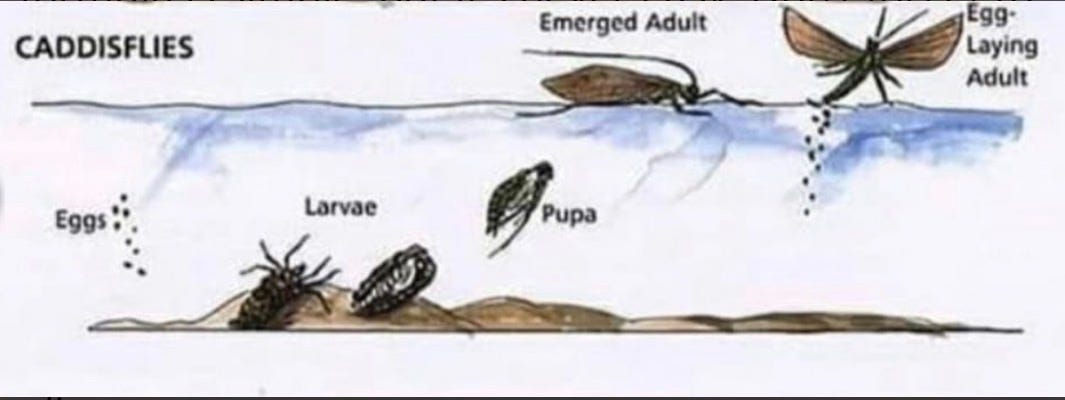
That day, there was a subtle caddis hatch, but no surface action. My fly imitated a caddis larva, a year-round staple in that stream. The trout keyed in on it instantly.
Presentation
This is where it all comes together. A drag-free drift, a well-placed upstream cast, and clean mends, these are what separate a refusal from a take.
If your drift’s off, even the right fly won’t matter. Spend time practicing your mends. They pay off when it counts.
Bonus: Indicators
I’ve learned not all indicators are created equal. As I mentioned in my previous article, I’ve had a lot of success with the OROS indicators. I cannot emphasize the importance of stealth and prefer an extra small size in white. Too many anglers use bulky, bright ones that spook fish in clear water. I’ve had consistent success with the OROS extra small indicator in white. Why white? It mimics the foam on the water’s surface and stays stealthy. New Zealand wool indicators in white are another go-to when fishing to selective trout.
The formula is simple, but it’s never easy. Don’t forget to have a plan once you hook the fish. Based on size, small ones you have control, larger ones, it sometimes some prep, but mostly luck! Take your time to log your trips and techniques. As was the case with my last two posts, taking the time to reflect and study your approach will make you better on every trip.
Somehow, as fly fishers, we get it right and it’s those BIG fish you land and remember forever.
Tight lines,
John
 /fishingtv
 /fishingtvapp
 /fishingtv